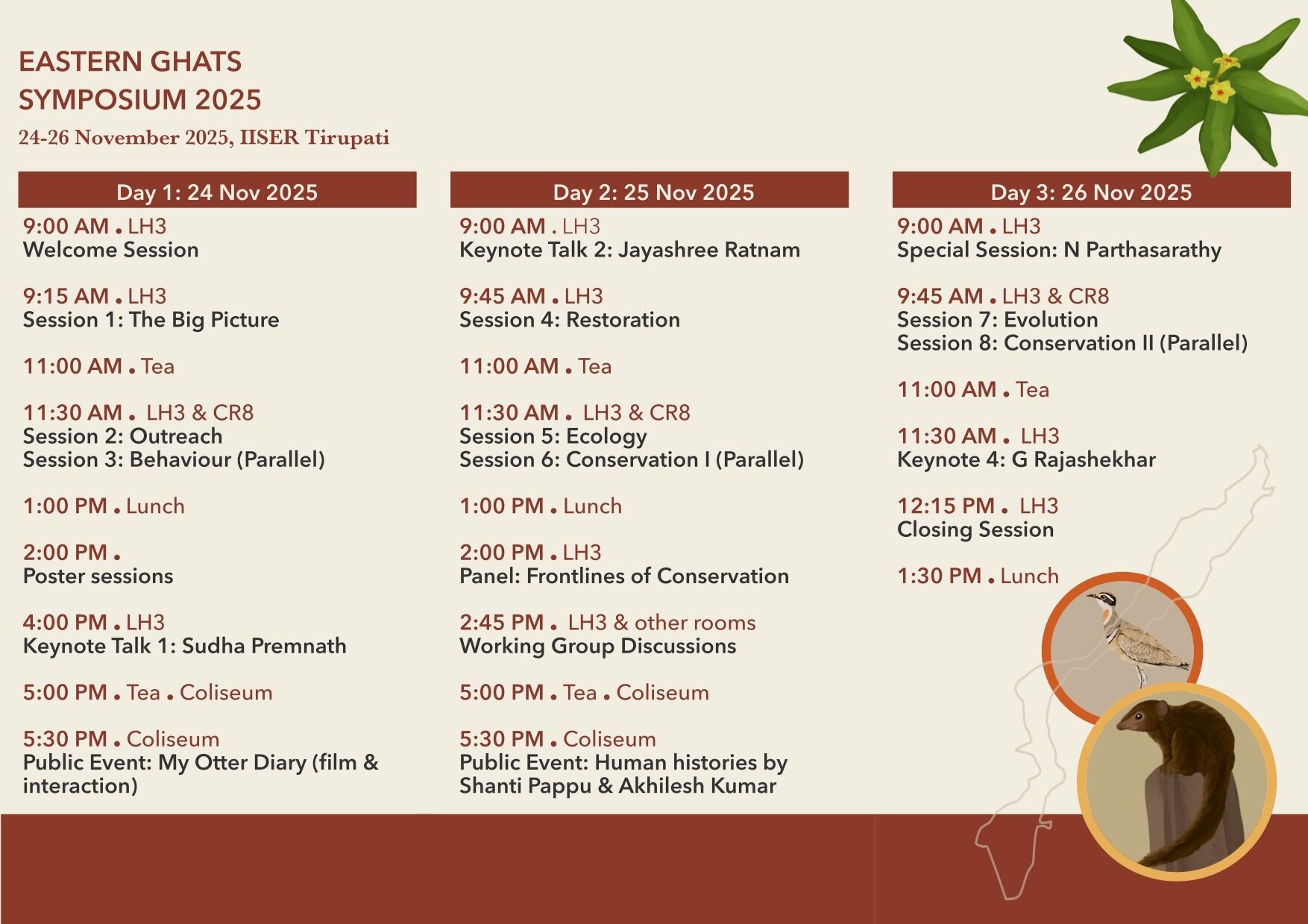
Detailed Program
Summary Schedule | Keynote Talks | Working Groups |
Lecture-Demonstration | Documentary Screeing |
Workshops | Photo and Art Exhibition | Stalls
Nature Walks
Download the PDF of the schedule here
Keynote Talks #
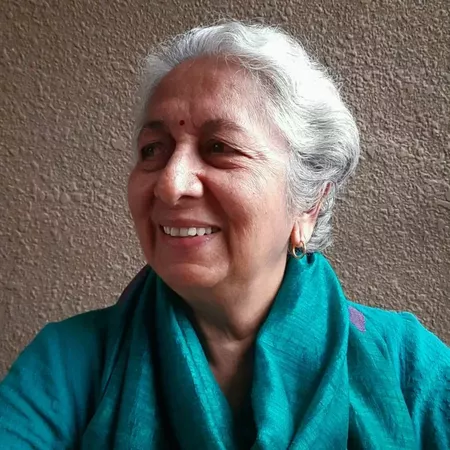
Dr Sudha Premnath holds a PhD in Zoology and Behavioral Ecology from the Indian Institute of Science. She is the Founder and Managing Trustee of the Kaigal Trust and formerly taught at The Valley School in Bangalore. Her work focuses on environmental education, biodiversity conservation, habitat restoration, and establishing sustainable livelihood programs for tribal communities and marginalised women and youth through the Kaigal Education and Environment Program.
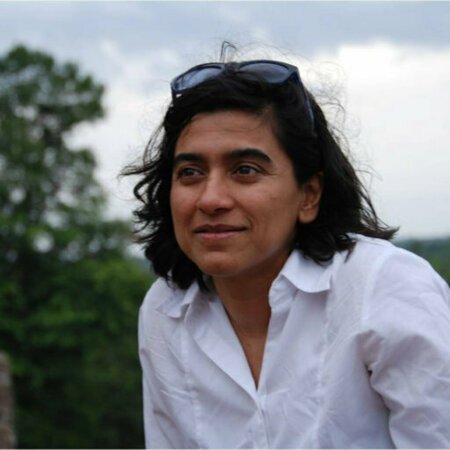
Dr Jayashree Ratnam is the Program Director of the Wildlife Biology and Conservation Program at the National Centre for Biological Sciences. A community and ecosystems ecologist, she specializes in tropical savanna and rangeland ecology, forest-savanna transitions, and long-term tropical forest dynamics, with research spanning Asian grasslands and savannas.
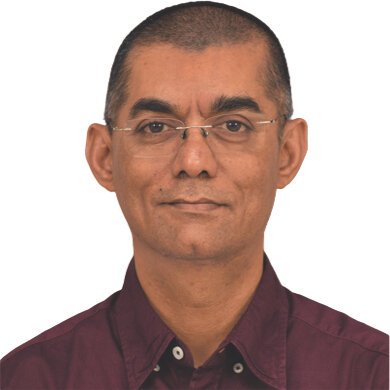
Dr Rajashekar Gopalakrishnan works in the Forestry and Ecology Group at the National Remote Sensing Centre, Hyderabad. He specializes in forest biomass estimation, LiDAR remote sensing, and tropical dry forest research, focusing on above-ground biomass density mapping and species diversity characterization using hyperspectral and satellite data.
Title of talk: Remote sensing techniques and methods for spatial AGB estimates and monitoring forest fires in India
Working Groups #
A special session is set aside for working group discussions to address important action-driven ideas that will advance our understanding of and knowledge concerning aspects of the Eastern Ghats. Discussions will be open or as per invitation only, depending on the proposers.
1. Creating cartographic vegetation maps for the EG - led by BR Ramesh & the French Institute Pondicherry
2. National Red Listing exercise and its relevance for the Eastern Ghats - led by WTI and IUCN
3. Conservation Prioritisation for the Eastern Ghats - led by Karthik Vasudevan, CCMB
4. Open invitation to attendees to propose sessions
Public Event: Lecture-Demonstration #
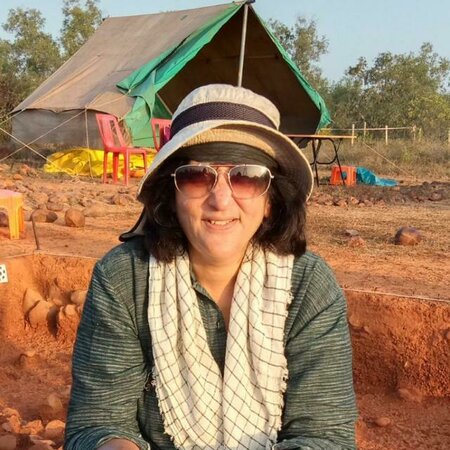
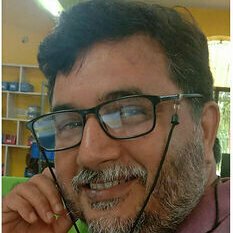
Dr Shanti Pappu & Dr Akhilesh Kumar
Dr Shanti Pappu is Founder and Secretary of the Sharma Centre for Heritage Education and Visiting Professor of Archaeology and History at Krea University. She leads multidisciplinary prehistoric research in South Asia, conducting excavations at Tamil Nadu sites like Attirampakkam, while running research programs and public outreach initiatives in archaeology.
Dr Kumar Akhilesh is Director of Research at the Sharma Centre for Heritage Education, specialising in prehistory, lithic technology, and experimental archaeology. He serves as Co-Director of excavations at Attirampakkam and directs prehistoric site surveys along India's southeast coast, while developing community heritage programs.
Title: Cutting Edges: Lithics and Landscapes on the Fringes of the Eastern Ghats
Public Event: Documentary Screening #
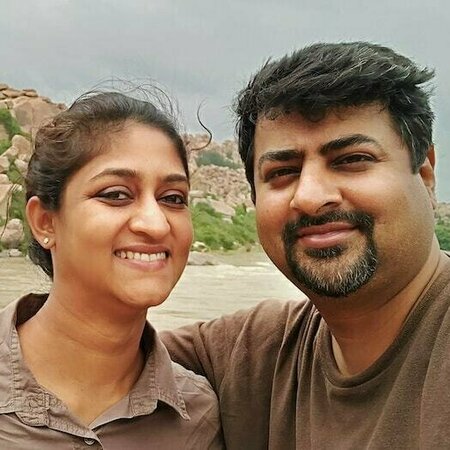
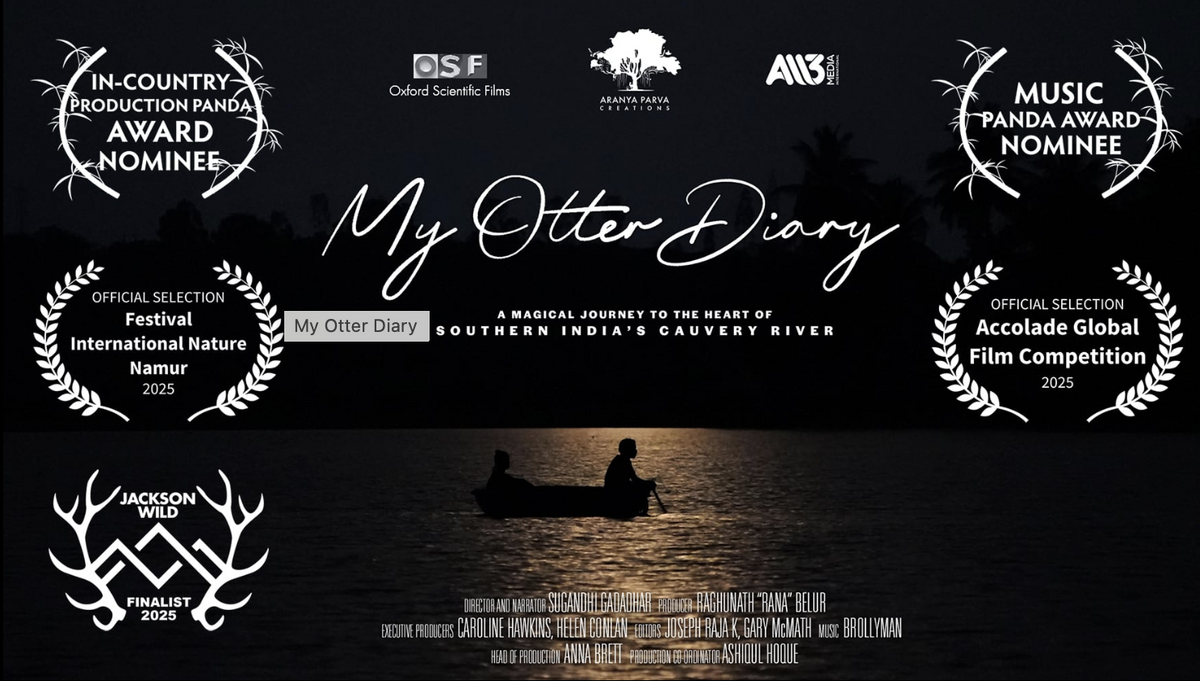
Sugandhi Gadhadhar & Raghunath 'Rana' Belur
Sugandhi and Rana are wildlife cinematographer and wildlife filmmakers. They have worked as camerapersons for wildlife/environment productions broadcast on Animal Planet India, Love Nature/Smithsonian, National Geographic Society, Netflix and PBS. Furthermore, they are members of the IUCN’s Otter Specialist Group, working on observing and documenting smooth-coated otters in India. Details of their work can be found here.
They will show their latest award-winning documentary, My Otter Diary, and will engage in a Q&A session after the screeing.
Workshops #
Workshops to engage students in the vicinity (schools, colleges) will be conducted in parallel with the main sessions. While the target audience for these workshops is typically young students, participants who wish to attend these workshops may directly contact us at the registration desk.
1. Biodiversity Awareness through Puppets: Dr P Bhanumati
2 hour workshops on 2 days, 40 school children each
2. Local Art Forms and Wildlife: Sudarshan Shaw
2 hour workshops on 2 days, 40 school children each
3. Language and Ecology - Communicating Nature through Local Languages: Dr P Jegannathan, Raja Bandi, Hareesha AS
Audience: This workshop will also be useful for individuals who are well-versed in writing in local languages. Students and researchers interested in communicating conservation issues in the vernacular will benefit from this workshop
Duration: 2.5 hours
Maximum Participants required: 30
Material requirements for participants: Laptop (if available), Notebook & Pen/pencil
India is as rich in biodiversity as it is in linguistic diversity. However, due to its colonial legacy, publications on natural history and conservation issues are mostly in English. It is essential to engage with grassroots communities and relevant stakeholders (such as legislators, media professionals, and forest department officials) on conservation issues in local languages. Doing so would help them better understand the subject and enable naturalists, conservationists, and wildlife biologists to create awareness among wider sections of the public. There is a close link between language and the conservation movement. Hence, it is crucial to encourage students to communicate conservation science through vernacular languages.
This workshop will introduce students, through an interactive lecture, to the importance of using local languages; the challenges of writing and translating into them; aspects to consider when translating ecological concepts; and the significance of documenting and reviving traditional nomenclature while coining new scientific terminology. The current status of nature writing in various Indian languages will also be briefly discussed. As part of the workshop, participants will be asked to produce a write-up in their own language on a topic of their interest and to gather information on how and where to publish it.
Resource persons profile: P. Jeganathan is a scientist with the Nature Conservation Foundation, Mysore. He writes in Tamil and English on natural history and various conservation issues. Email: [email protected]
Photo and Art Exhibition #
We will display photographs of wildlife from the Eastern Ghats to illustrate the biodiversity of the region. High-quality photos are solicited from specific photographers and organisations, who have recorded rare taxa and occurrences.
Sudarshan Shaw of Studio Kyari will showcase his artwork relevant to the region.
Stalls #
Several organisations will be invited to set up stalls at the event to showcase their efforts in the region, including products for display, distribution and sale.
Nature Walks #
Sign up for the walks at the Registration Desk. Some walks outside the IISER Tirupati campus require additional payments to cover transport costs to reach the starting locations.
If you would like to participate in a post-conference long nature walk, please note that they end late in the evening. You may plan your departure (after the walk ends) from campus at 7 pm or after on 26 November 2025.
1. The Edible Weeds Walk: Dr Nina Sengupta, Auroville
During the Eastern Ghats Symposium at IISER Tirupati, DR Sengupta will offer one or two Edible Weeds Walks to introduce participants to common wild plants that grow naturally around us and are both edible and closely linked to local ecology. These walks draw from the Edible Weeds coloring book, which documents 40 wild species found across the tropics, several of which also appear seasonally in temperate regions.
The walk helps participants safely identify these plants, understand their nutritional and cultural value, and appreciate the ecological roles of these pioneer species. It also encourages participants to build a personal connection with nearby wilderness, whether in urban, peri-urban, or rural settings. This hands-on, field-based introduction to everyday biodiversity uses the book as the guide. Each walk is open to 10 participants on a first-come basis.
The walks will be conducted during the morning hours, before the event starts, on two days of the event, and can accommodate 10 participants each.
2. Moth nights: Dr P Bhanumati and the IISER Tirupati team
Moth screens will be set up at IIT Tirupati, 4 km from the IISER campus, to showcase and capture the moth diversity around the region. This event will be organised amidst a patch of tropical dry evergreen forest on the slopes of the Velikonda Range of hills.
3. Short morning nature walks: IISER Tirupati team
These will be short walks around the IISER Tirupati campus or nearby, to end before breakfast
4. Post-conference long nature walks in the Tirupati landscape: IISER Tirupati team
We have four walk options for the evening of 26 November, after the Closing Session.
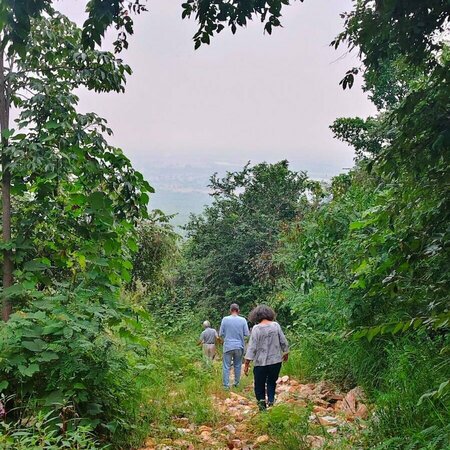
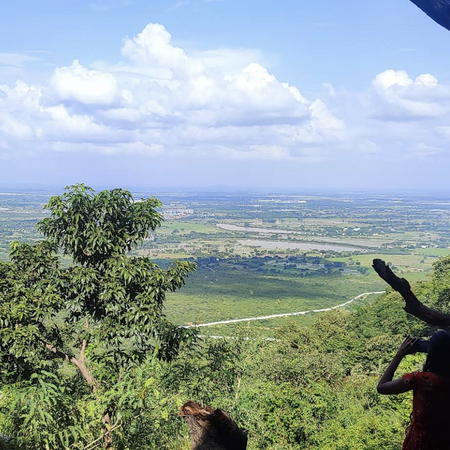
4A. Mahalingeshwara Temple on a hill next to IIT Tirupati
📍 View on Google Maps
- Distance: About 15 minutes from IISER Tirupati
- Access: Off-road vehicle required up to the foothills/Need to walk for 1 km along the side of IIT wall
- Trek: Around 1 km uphill walk with steps (approximately 30 minutes) to reach the temple/waterfall
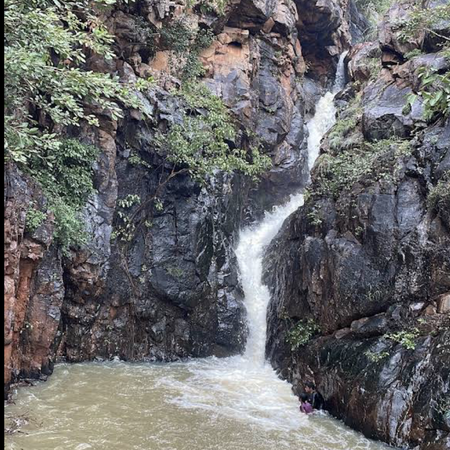
- Scenic views and a peaceful natural setting, small waterfall
- Nice birdlife - some special ones like the endemic Yellow-throated Bulbul (rare)
- eBird hotspot: https://ebird.org/hotspot/L37853037/bird-list
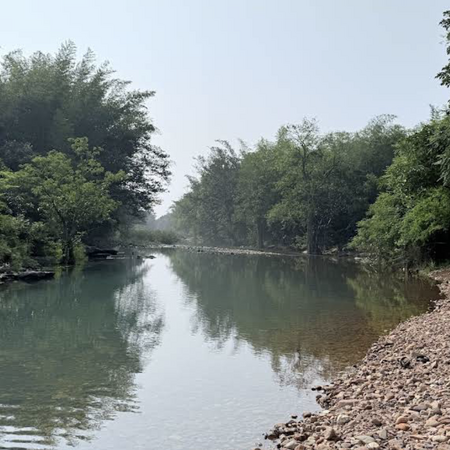
4B. Mamanduru Forest
📍 View on Google Maps
- Distance: About 60 minutes drive from IISER Tirupati
- Entry Fee: ₹40 per person
- Facilities: Parking available
- Trail: 40-minute walk through the forests to reach the river
- Ideal for nature walks, birdwatching, and quiet relaxation by the water stream.
- Historic location where the story of the Maneater of Mamanduru was based
- eBird Hotspot- https://ebird.org/hotspot/L10278697/bird-list
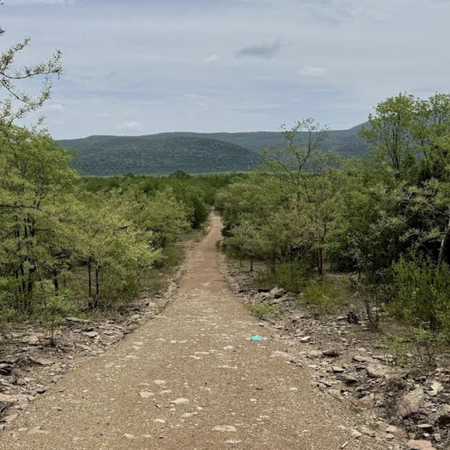
4C. Sahasra Lingeshwara Temple
📍 View on Google Maps
- Distance: Around 40–45 minutes from IISER Tirupati
- Access: Cars can go up to the base of the steps
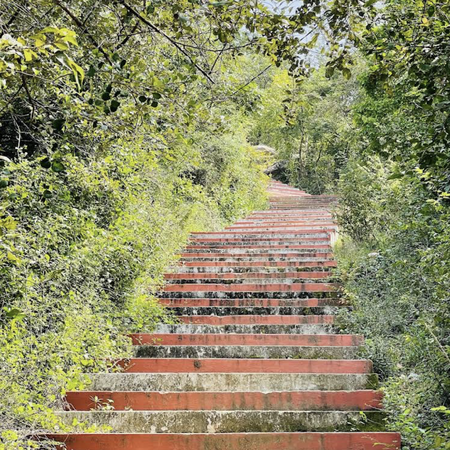
- Trek: About 300 steps to reach the temple complex
- Highlights: Ancient temple with beautiful stone carvings, a small stream, and valleys nearby
- Experience: A serene spot combining heritage, spirituality, and nature, small waterfall
4D. Madamala Grassland
📍 View on Google Maps
- Distance: About 20 minutes from IISER Tirupati
- Terrain: Open grassland with easy, walkable plains
- Highlights: A great spot to observe sandgrouse and other grassland birds
- Experience: ideal for short walks, birdwatching, and enjoying the wide-open landscape.
- eBird hotspot- https://ebird.org/hotspot/L37886517/bird-list